
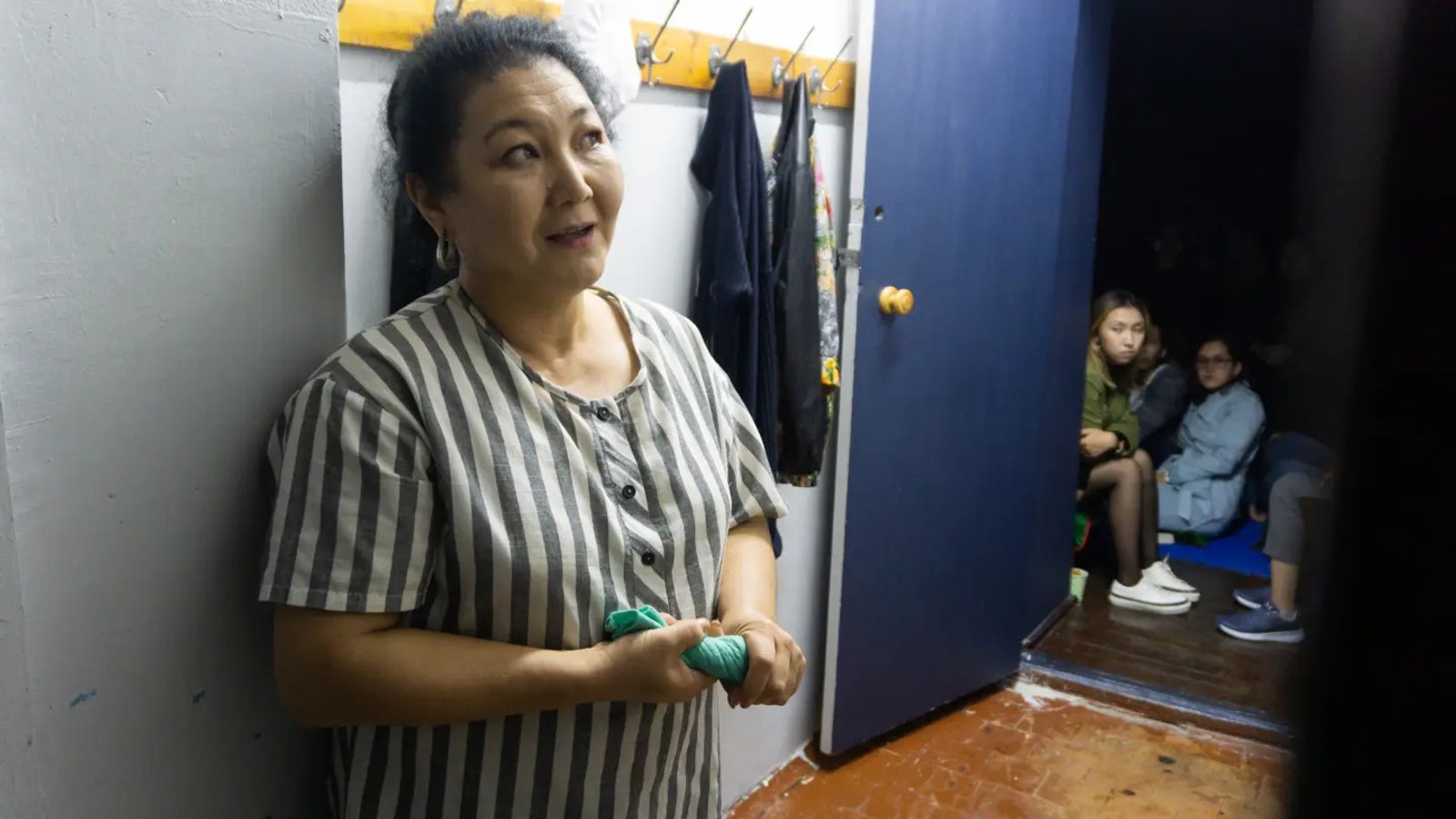
Уя उन घरों की याद दिलाता है, जो हम बनाकर छोड़ चुके हैं। Уя उस घर की याद दिलाता है, जिसे हम ढूँढ़ रहे हैं।
यह एक रिव्यू नहीं, एक संवाद है।
[English translation follows]
***
तुम कभी अपनी माँ से बड़े हो सकते हो?
तुम कितने भी बड़े हो जाओ, हमारे लिए तो बच्चे ही रहोगे।
मेरी माँ ने मुझे ये अक्सर कहा है। मेरी इस पर पहली प्रतिक्रिया यही होती है : आप मुझे इंफ़ैंटाइलाइज़ कर रही हो। फिर मैं खुद को समझाती हूँ। उनका ये कहने का मतलब मुझे नीचा दिखाना या छोटा महसूस कराना नहीं है, बल्कि उनका ये जताने का तरीका है कि शायद उन्होंने मुझसे ज़्यादा ज़िंदगी देखी है, इसीलिए वो मुझसे ज़्यादा समझदारी रखती हैं। और अंत में वो मेरी माँ हैं जिन्होंने मुझे जन्म दिया है, चाहे हम कितने भी बड़े हो जाएँ, रहेंगे तो हम उनके बच्चे ही।
यह सफ़ाई मैं हर बार देती हूँ। Уя ने वो सफ़ाई मेरे मुँह से छीन ली।
Уя की शुरुआत में, एक माँ अपने बच्चे को एक टब में नहला रही है शायद बच्चा बोलना सही नहीं होगा क्यूँकि असल में वो एक अधेड़ उम्र का आदमी था।
मैं यह नहीं कह रही कि उन्हें ऐसा नहीं करना चाहिए। मैं यह कह रही हूँ कि प्ले ने वो दिखा दिया जो मैं अपनी सफ़ाई के पीछे छुपाती रही : वही हाथ जो पानी डालता है, वही हाथ पकड़े भी रखता है।
***
तुम्हारा घर का मतलब क्या है?
Уя किर्गिज़ और रूसी में ज़रूर था, अंग्रेज़ी और फ्रांसीसी सबटाइटल के साथ, पर इसको देखकर मुझे एक बार भी ऐसा नहीं लगा। स्टेज पर उस माँ को देखकर मुझे सीधा उन दादियों और आंटियों की याद आई जिनके इर्द-गिर्द मैं बड़ी हुई हूँ। इस अपनत्व से मुझे हिंदी की याद आई। जो भाषा मैंने सबसे पहले ज़रूर सीखी, पर उसमें लिखना बंद कर दिया।
मातृभाषा। यह शब्द मैंने सैकड़ों बार लिखा है, और कभी ध्यान नहीं दिया कि उसके भीतर कौन खड़ा है।
हालाँकि मैं पूरे वक़्त सबटाइटल पढ़ रही थी। हर हँसी मुझ तक आधा सेकंड देर से पहुँची। शायद अपनापन भी अनुवाद ही है, बस उसे पढ़ना नहीं पड़ता।
शायद थिएटर यह भी कर सकता है, एक बीते वक़्त की याद दिलाना, कुछ लोगों की याद दिलाना और एक भाषा से फिर से रूबरू करना।
शायद थिएटर ये भी कर सकता है, भाषा के बजाए भावना से बात करना और करवाना।
भाषा मुझे भाषा तक ले जाती है, किर्गिज़ सुनकर मुझे हिंदी याद आई।
थिएटर मुझे उससे पीछे ले गया, वहाँ जहाँ से भाषा शुरू होती है।
***
माँ घोंसला बनाती क्यों है, जब उसे पता है बच्चा उसे जल्द छोड़ देगा?
वो नहाता हुआ अधेड़ उम्र का बच्चा, एक राष्ट्रवादी मोर्चे के साथ जुड़ जाता है।
***
क्या तुमने अपनी माँ से प्यार किया है?
एक एक्टर ने ऑडियंस की आँखों में आँखें डालकर यह सवाल पूछा, तो मैं टूट गई।
कोमलता। जब भी मैं Уя के बारे में सोचूँ तो मुझे यही शब्द याद आता है। बहरहाल पूरा प्ले इस कोमलता में लीन नहीं था, इसमें जेंडर आधारित हिंसा, युद्ध, क्रांति जैसे विषय थे।
कोमलता आपको इस तरह छूती है, जैसा शब्द नहीं कर सकते।
***
क्या घर छोड़ देने से ही घर की अहमियत पता चलती है? या फिर घर छोड़ देने की ज़रूरत?
घर से घर। मोहल्ले से शहर। शहर से देश। देश से एक ऐसी जगह जहाँ मौसम भी तुम्हारी भाषा नहीं बोलता।
हर बार सामान कम होता जाता है। और हर बार घर का मतलब थोड़ा और छोटा, एक कमरा, फिर एक आवाज़, फिर एक फ़ोन कॉल या फिर वो भी नहीं।
जो चीज़ें घर में मामूली थीं, प्रवास में वही सामान बन जाती हैं। माँ का नहलाना घर में रोज़ की बात थी। यहाँ, स्टेज पर, वो एक याद है जिसे मैं ढो रही हूँ।
Уя उन घरों की याद दिलाता है, जो हम बनाकर छोड़ चुके हैं। Уя उस घर की याद दिलाता है, जिसे हम ढूँढ़ रहे हैं।
और यह सब मैं उस भाषा में लिख रही हूँ, जिसे मैंने छोड़ दिया था।
तुम कभी अपनी माँ से बड़े हो सकते हो?

This is not a review. It is a dialogue.
***
Can you ever outgrow your mother?
However much you grow, to us you will always be a child.
My mother has said this to me often. My first reaction is always the same: you are infantilizing me. Then I talk myself down. She does not mean to belittle me or make me feel small, it is her way of saying that she has probably seen more life than I have, and so she holds more sense than I do. And in the end she is my mother, she gave birth to me, and however old we get, we will still be her children.
I make this excuse every time. Уя took the excuse out of my mouth.
At the start of Уя, a mother is bathing her child in a tub. Child is probably the wrong word, because he was in fact a middle-aged man.
I am not saying she should not do it. I am saying the play showed me what I had been hiding behind my excuse: the same hand that pours the water is the hand that holds you there.
***
What does home mean to you?
Уя was in Kyrgyz and Russian, with English and French subtitles, but watching it I never once felt that. Seeing that mother on stage, I thought straight away of the grandmothers and the aunties I grew up around. That closeness reminded me of Hindi. The language I learned first, and then stopped writing in.
Mother tongue. I must have written this word hundreds of times, and not once looked at who is standing inside it.
Though I was reading subtitles the whole time. Every laugh reached me half a second late. Maybe belonging is a translation too, only you do not have to read it.
Maybe theatre can do this as well: remind you of a time that has passed, remind you of certain people, bring you face to face with a language again.
Maybe theatre can do this too: speak through feeling instead of language, and make you answer the same way.
Language takes me to language, hearing Kyrgyz, I remembered Hindi.
Theatre took me further back, to the place language starts from.
***
Why does the mother build a nest when she knows the child will leave it soon?
That bathing middle-aged child joins a nationalist front.
***
Have you ever loved your mother?
An actor looked straight into the audience's eyes and asked this, and I broke.
Tenderness. Whenever I think of Уя, this is the word that comes back to me. Though the play was not steeped in that tenderness all the way through, it had gender based violence in it, war, revolution.
Tenderness touches you in a way words cannot.
***
Do you only realise the value of home once you leave it? Or do you realise the need to leave it in the first place?
Home to home. Neighbourhood to city. City to country. Country to a place where even the weather does not speak your language.
Each time there is less luggage. And each time home means something a little smaller, a room, then a voice, then a phone call, or then not even that.
The things that were ordinary at home become luggage once you migrate. My mother bathing me was an everyday thing at home. Here, on a stage, it is a memory I am carrying.
Уя reminds you of the homes we built and left. Уя reminds you of the home we are looking for.
And I am writing all of this in the language I had left behind.
Can you ever outgrow your mother?
Уя (Nest) was presented at Espace Libre as part of Festival TransAmériques (FTA)’s 2026 programming from June 5th to June 10th. Уя was the only show presented at the festival’s 2026 programming not from the Americas. For more information about the show check https://fta.ca/en/programme/uia-nid.
 About noor
noor performs, studies, dances, watches, loves, eats, learns, and, most importantly, unlearns (in no particular order), among other verbs. noor moved to Tiohtià:ke from New Delhi at the end of 2024 for a PhD. Since then, noor has been making new friends, exploring the city, finding a 'fun' job, and trying to meet a deadline (or two or three). noor is a co-director of B25 and works across Hindi, English, and French.
Read moreComments
No comments yet.
Be the first to speak into the void.